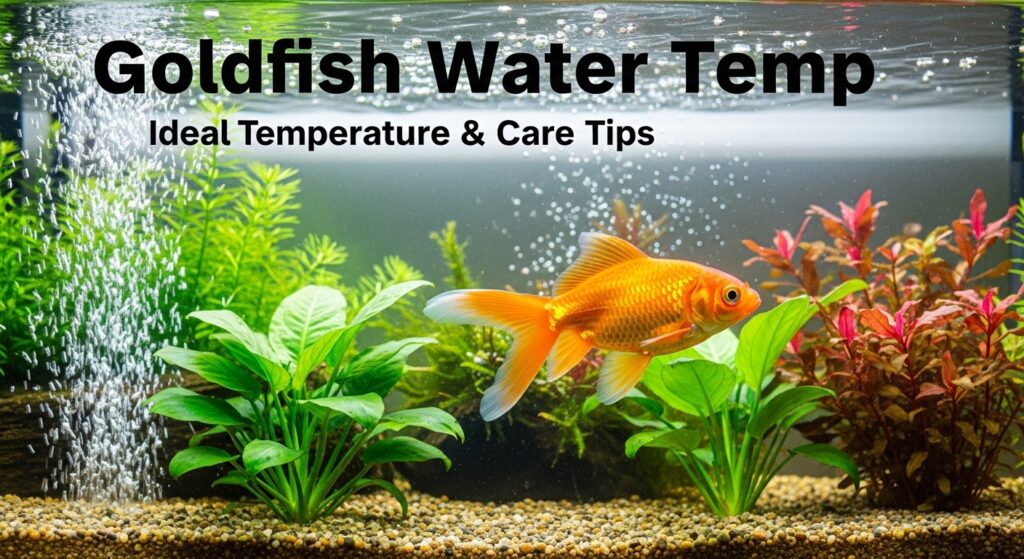

Goldfish are often seen as low-maintenance pets, but their health depends heavily on one critical factor: water temperature. Many beginners overlook this, assuming goldfish can survive in any condition. While they are hardy, the wrong temperature can quietly weaken their immune system, slow their metabolism, and shorten their lifespan. Getting the goldfish water temp right is not just a detail, it is the foundation of proper care.
In this complete guide, you will learn everything you need to know about goldfish temperature requirements, from ideal ranges and seasonal adjustments to signs of stress and practical tips for maintaining stable conditions. Whether you are setting up your first tank or improving an existing one, this guide will help you create a healthier environment for your goldfish.
Understanding Why Goldfish Water Temperature Matters
Goldfish are coldwater fish, but that does not mean they thrive in randomly cold conditions. Their bodies are directly influenced by the temperature of the water around them because they are ectothermic animals. This means their metabolism, digestion, and immune function all depend on water temperature.
When the goldfish water temp is too low, their metabolism slows down significantly. They become less active, eat less, and may struggle to digest food properly. On the other hand, when the temperature is too high, their metabolism speeds up too much. This can lead to increased stress, faster oxygen depletion in the water, and a higher risk of disease.
Maintaining the right temperature helps ensure that your goldfish stay active, eat normally, and maintain a strong immune system. It also supports healthy growth and reduces the risk of common illnesses. In short, temperature stability is one of the most important aspects of goldfish care that directly impacts their quality of life.
Ideal Goldfish Water Temperature Range
The ideal goldfish water temp depends on the type of goldfish you have, but generally, it falls between 18°C and 24°C (65°F to 75°F). This range supports proper metabolism and overall health.
For common goldfish and comet goldfish, slightly cooler water between 18°C and 22°C is ideal. These varieties are more active and thrive in cooler environments. Fancy goldfish, such as orandas or ranchus, prefer slightly warmer water, usually between 20°C and 24°C, as they are less tolerant of colder conditions.
Here is a quick reference table:
| Goldfish Type | Ideal Temperature Range |
|---|---|
| Common Goldfish | 18°C – 22°C |
| Comet Goldfish | 18°C – 22°C |
| Fancy Goldfish | 20°C – 24°C |
Staying within these ranges helps maintain a balanced environment where goldfish can thrive without stress or health complications.
Differences Between Fancy and Common Goldfish Temperature Needs
Not all goldfish are the same, and understanding their differences is important when managing water temperature. Common goldfish are more robust and can tolerate a wider range of temperatures. They are often kept in outdoor ponds where seasonal changes occur naturally.
Fancy goldfish, however, have been selectively bred for their appearance. This makes them more delicate and sensitive to environmental changes. Their round bodies and slower swimming ability mean they prefer slightly warmer and more stable conditions.
Because of these differences, mixing fancy and common goldfish in the same tank can be problematic. The temperature that suits one may not be ideal for the other. Additionally, fancy goldfish may struggle to compete for food in cooler water where common goldfish are more active.
Understanding these differences allows you to tailor your tank setup to the specific needs of your fish, ensuring better health and longevity.
Effects of Low Water Temperature on Goldfish
When the goldfish water temp drops too low, several problems can occur. The most noticeable effect is a reduction in activity. Goldfish may become sluggish, spend more time resting, and show little interest in food.
Low temperatures also slow down digestion. Food may remain in their system longer, increasing the risk of digestive issues such as constipation or swim bladder problems. Over time, this can lead to malnutrition if the fish are not able to process nutrients effectively.
Another concern is the weakened immune system. Cold water can make goldfish more vulnerable to infections and diseases. Parasites and bacteria may take advantage of their weakened state, leading to illness.
While goldfish can survive in colder water, prolonged exposure to temperatures below their ideal range can significantly impact their health and lifespan.
Effects of High Water Temperature on Goldfish
High water temperatures can be just as harmful as low ones. When the temperature rises above the ideal range, goldfish experience increased metabolic activity. This means they require more oxygen, but warm water holds less dissolved oxygen.
This combination can lead to oxygen stress, where the fish struggle to breathe properly. You may notice them gasping at the surface or swimming erratically. These are clear signs that the water conditions are not suitable.
Higher temperatures also accelerate the growth of harmful bacteria and parasites. This increases the risk of diseases such as fin rot or fungal infections. Additionally, goldfish may age faster in warmer water due to their increased metabolism.
Keeping the temperature within the recommended range helps prevent these issues and ensures a stable and healthy environment.
Seasonal Changes and Goldfish Temperature Adaptation
Goldfish are capable of adapting to gradual temperature changes, especially in outdoor ponds. Seasonal variations are natural, but sudden changes can be harmful.
In winter, goldfish metabolism slows down, and they may enter a semi-dormant state. During this time, feeding should be reduced or stopped altogether, depending on the temperature. In summer, their activity increases, and they require more food and oxygen.
The key is gradual change. Sudden temperature shifts can shock the fish, leading to stress or even death. Using a thermometer to monitor changes and adjusting conditions slowly can help prevent problems.
Understanding how seasons affect goldfish allows you to provide better care throughout the year.
How to Measure Goldfish Water Temperature Accurately
Accurate temperature measurement is essential for maintaining a healthy tank. A reliable aquarium thermometer is one of the simplest and most important tools you can have.
Digital thermometers are highly accurate and easy to read, while glass thermometers are more traditional but still effective. Stick-on thermometers are convenient but may not always provide precise readings.
Place the thermometer away from heaters or filters to get an accurate measurement of the overall water temperature. Regular monitoring helps you detect changes early and take action before they become a problem.
Consistency in measurement ensures that your goldfish water temp remains within the ideal range at all times.
Best Equipment to Maintain Stable Water Temperature
Maintaining a stable temperature requires the right equipment. Even though goldfish are coldwater fish, a heater can still be useful, especially for fancy goldfish or in colder climates.
Here are some essential tools:
- Aquarium heater (for controlled warmth)
- Thermometer (for monitoring)
- Filter system (for water circulation)
- Aquarium lid (to reduce heat loss)
A heater with a thermostat allows you to set and maintain a consistent temperature. This is particularly important in indoor tanks where room temperature may fluctuate.
Using the right equipment helps create a stable environment, reducing stress and promoting healthy growth.
Do Goldfish Need a Heater?
This is a common question among goldfish owners. The answer depends on your environment and the type of goldfish you have.
In stable indoor environments where the room temperature stays within the ideal range, a heater may not be necessary. However, in colder climates or during winter, a heater can help maintain consistent conditions.
Fancy goldfish are more likely to benefit from a heater, as they prefer slightly warmer water. A heater also prevents sudden temperature drops, which can be harmful.
While not always required, a heater is a useful tool for ensuring stability and preventing stress caused by temperature fluctuations.
Goldfish Water Temp in Outdoor Ponds
Outdoor ponds present a different challenge when it comes to temperature control. Goldfish in ponds are exposed to natural weather conditions, which means the temperature can vary significantly.
During summer, ponds can become too warm, especially in shallow areas. Adding shade, plants, or aeration can help regulate temperature. In winter, the surface may freeze, but goldfish can survive in deeper water where temperatures remain stable.
Here is a quick overview:
| Season | Temperature Impact | Care Tip |
|---|---|---|
| Summer | Water heats up | Add shade and aeration |
| Winter | Water cools down | Maintain a hole in ice |
Proper pond management ensures that goldfish remain healthy throughout the year.
Signs Your Goldfish Is Stressed by Temperature
Goldfish often show clear signs when they are uncomfortable due to improper temperature. Recognizing these signs early can prevent serious health issues.
Common signs include:
- Lethargy or reduced activity
- Loss of appetite
- Gasping at the surface
- Erratic swimming
- Clamped fins
These symptoms indicate that the goldfish water temp may be outside the ideal range. Immediate action, such as adjusting the temperature gradually, can help restore normal behavior.
Observing your fish regularly is one of the best ways to ensure their well-being.
How to Adjust Goldfish Water Temperature Safely
Adjusting water temperature should always be done gradually. Sudden changes can shock the fish and cause stress or illness.
If the water is too cold, increase the temperature slowly using a heater. Raise it by no more than 1–2°C per day. If the water is too warm, reduce the temperature gradually by turning off heaters or improving ventilation.
Avoid adding large amounts of cold or hot water directly to the tank. Instead, perform partial water changes with water that matches the tank temperature.
Patience is key. Slow adjustments help goldfish adapt without stress.
Common Mistakes in Managing Goldfish Temperature
Many beginners make simple mistakes that can have serious consequences for their goldfish. One common error is assuming that room temperature is always suitable. In reality, room temperature can fluctuate significantly.
Another mistake is ignoring temperature changes during water changes. Adding water that is too cold or too warm can shock the fish. Overheating due to direct sunlight is also a frequent issue, especially in tanks placed near windows.
Using inaccurate thermometers or failing to monitor temperature regularly can lead to unnoticed problems. Avoiding these mistakes helps maintain a stable and healthy environment.
Goldfish Temperature and Feeding Behavior
Temperature plays a major role in how goldfish eat and digest food. In warmer water, their metabolism increases, leading to a higher appetite. In cooler water, their appetite decreases.
Feeding goldfish according to temperature is important. Overfeeding in cold water can lead to digestive issues, while underfeeding in warm water may result in poor growth.
Adjusting feeding schedules based on temperature helps maintain a balanced diet and prevents health problems. Understanding this relationship ensures that your goldfish receive proper nutrition throughout the year.
Long-Term Impact of Proper Temperature Management
Consistently maintaining the correct goldfish water temp has long-term benefits. Goldfish that live in stable conditions are less likely to experience stress, disease, or growth issues.
Proper temperature management supports a strong immune system, healthy digestion, and natural behavior. It also contributes to a longer lifespan, with many well-cared-for goldfish living for over a decade.
Investing time in monitoring and maintaining temperature pays off in the form of healthier, more active fish. It is one of the simplest yet most effective ways to improve goldfish care.
Conclusion
Getting the goldfish water temp right is essential for keeping your fish healthy and active. While goldfish are known for their resilience, they still require stable and appropriate conditions to thrive. From understanding ideal temperature ranges to using the right equipment and avoiding common mistakes, every step contributes to a better environment.
By paying attention to temperature and making gradual adjustments when needed, you can ensure your goldfish live a long and healthy life. Consistency and observation are your best tools in maintaining the perfect habitat.
FAQs
What is the ideal goldfish water temp?
The ideal range is between 18°C and 24°C, depending on the type of goldfish. Fancy goldfish prefer slightly warmer water than common varieties.
Can goldfish survive in cold water?
Yes, goldfish can survive in cold water, but prolonged exposure to very low temperatures can slow their metabolism and weaken their immune system.
Do goldfish need a heater in winter?
In colder climates or unstable indoor environments, a heater can help maintain a consistent temperature and prevent sudden drops.
How do I know if my goldfish is too hot?
Signs include gasping at the surface, rapid movement, and reduced oxygen levels. These indicate that the water temperature may be too high.
How often should I check water temperature?
It is best to check daily using a reliable thermometer to ensure the temperature stays within the ideal range.
Explore well-researched articles and recent developments about Eduardo Hagn.