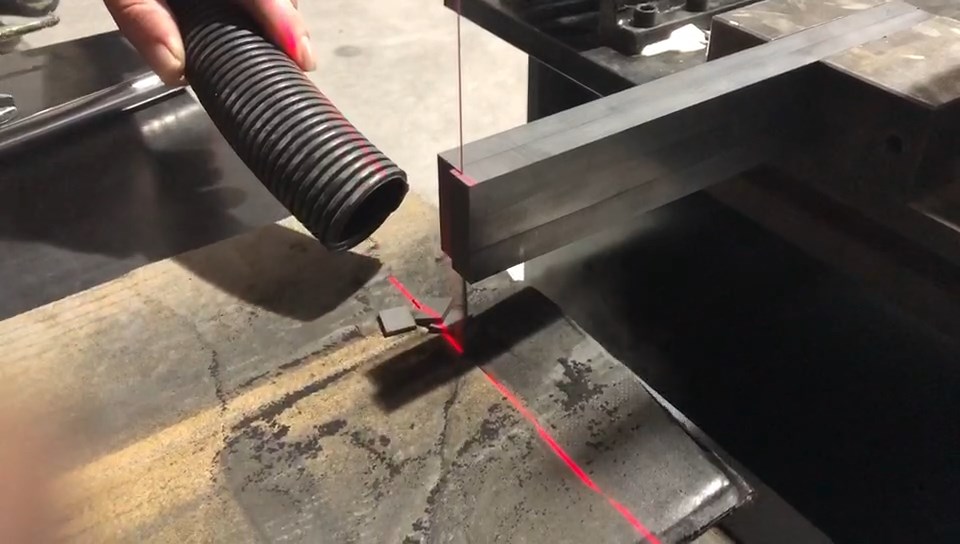

Graphite may look soft and easy to handle at first glance, but anyone who has worked with it knows the reality is far more complex. Its brittle structure, tendency to chip, and sensitivity to vibration make precision cutting a real challenge. Whether used in electrodes, semiconductors, or high-temperature applications, graphite demands accuracy and care. This is why the debate between traditional cutting methods and the Diamond Wire Saw has become increasingly relevant in modern manufacturing.
Understanding the Nature of Graphite in Cutting Applications
Graphite is a unique material with a layered structure that allows it to break easily under pressure. While this can be beneficial in some machining processes, it also means that poor cutting techniques can lead to cracks, uneven surfaces, and excessive waste. Dust generation is another major concern, as graphite particles can affect both product quality and workplace safety.
Traditional cutting approaches often struggle to manage these challenges effectively. Excessive force or vibration can damage the material, making it difficult to achieve the level of precision required in industries like electronics and aerospace. This is where advanced solutions like the Diamond Wire Saw begin to show their true value.
Traditional Graphite Cutting Methods and Their Drawbacks
Conventional methods such as band saw cutting, milling, and abrasive wheel cutting have long been used for graphite processing. While these techniques are familiar and widely available, they are not always ideal for delicate or high-precision work.
One of the main issues with traditional tools is the amount of mechanical stress they apply. Graphite’s brittle nature makes it vulnerable to chipping, especially when exposed to aggressive cutting actions. In addition, these methods often produce significant dust and require frequent tool maintenance.
Heat generation is another concern. Although graphite can withstand high temperatures, uneven heat during cutting can still affect dimensional accuracy. Compared to modern alternatives, traditional methods often fall short in delivering consistent, high-quality results.
Why the Diamond Wire Saw Is Transforming Graphite Cutting
The Diamond Wire Saw has emerged as a game-changer in graphite cutting, offering a level of precision and control that traditional methods simply cannot match. By using a thin wire embedded with diamond abrasives, the Diamond Wire Saw cuts through graphite with minimal force and vibration.
This gentle cutting action significantly reduces the risk of chipping and cracking. As a result, manufacturers can achieve smoother surfaces and tighter tolerances. The Diamond Wire Saw also produces a narrower kerf, which means less material is wasted during the cutting process.
Another important advantage of the Diamond Wire Saw is its ability to reduce dust generation. While no cutting method is completely dust-free, the controlled motion of the wire helps limit the spread of fine particles. This contributes to a cleaner working environment and improved overall efficiency.
In terms of versatility, the Diamond Wire Saw can handle complex shapes and delicate components with ease. This makes it particularly valuable for industries that require intricate graphite parts with high precision.
The Contribution of Ensolltools to Modern Cutting Technology
As the demand for advanced graphite cutting solutions grows, Ensolltools has established itself as a leader in the field. Known for its innovative approach and high-quality equipment, Ensolltools provides cutting systems designed to meet the challenges of modern manufacturing.
Their Diamond Wire Saw solutions are built with precision and durability in mind. By focusing on consistent performance and reduced maintenance, Ensolltools ensures that users can rely on their equipment for long-term productivity. This is especially important in industries where downtime can lead to significant losses.
Ensolltools also emphasizes user-friendly designs, making it easier for operators to achieve accurate results without extensive training. Their commitment to innovation continues to push the boundaries of what the Diamond Wire Saw can achieve in graphite cutting applications.
Choosing the Right Method for Your Graphite Cutting Needs
Selecting the best cutting method depends on the specific requirements of your project. For simple tasks or rough cuts, traditional methods may still be sufficient. However, when precision, efficiency, and material preservation are priorities, the Diamond Wire Saw is clearly the superior choice.
The long-term benefits of using a Diamond Wire Saw often outweigh the initial investment. Reduced waste, improved surface quality, and lower maintenance costs all contribute to better overall performance. With the support of reliable providers like Ensolltools, businesses can confidently adopt this advanced technology.
Conclusion
Graphite cutting is a specialized process that requires careful consideration of both material properties and cutting techniques. While traditional methods have served their purpose, they are increasingly being replaced by more advanced solutions.
The Diamond Wire Saw stands out as the most effective option for achieving precise, clean, and efficient cuts in graphite. With its ability to minimize damage, reduce waste, and improve consistency, it has become an essential tool in modern manufacturing. Backed by industry leaders like Ensolltools, the Diamond Wire Saw represents the future of graphite cutting, offering a smarter and more reliable approach for professionals across various industries.