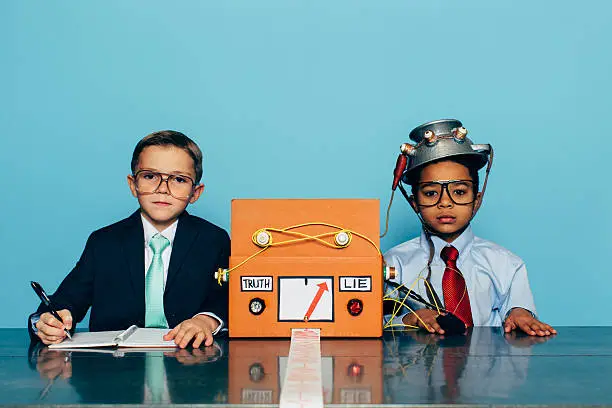

Let’s be honest—when most people hear “polygraph test,” they picture a high-stakes movie scene. Someone’s sweating under a bright light while a machine clicks and beeps, revealing all their secrets. It’s dramatic, tense, and maybe a little terrifying. But what’s the reality behind the lie detector, and why do we keep hearing about it in crime shows and job screenings?
I remember sitting in a small, sterile room years ago, watching someone take a polygraph for a security clearance job. The machine hummed quietly, wires attached to the arms and chest. You could almost see the tension building in the room. The person being tested kept fidgeting, clearly nervous. And honestly, I felt nervous too, just watching. That’s the first thing to understand: a polygraph isn’t magic. It’s psychological, physiological, and… a bit tricky.
How a Polygraph Test Actually Works
Here’s the thing: a polygraph doesn’t detect lies. It measures stress responses. Heart rate, blood pressure, breathing patterns, skin conductivity—all of these fluctuate when someone feels anxious. The machine records these changes, and a trained examiner interprets the results.
Picture this: someone is asked if they stole a piece of office equipment. Their heart might race. They might start sweating. Their breathing could change. The polygraph picks up on those reactions. But—and this is key—those reactions could happen for a lot of reasons. Maybe they’re nervous about being falsely accused, maybe they had a stressful day, or maybe they just don’t like strangers poking around their personal life.
That’s why polygraph results are never 100% reliable. Even the experts will tell you that. In legal circles, you’ll find polygraph results are rarely admissible in court, except in very specific circumstances. Yet, companies, law enforcement, and government agencies still use them—because when interpreted carefully, they can give insights that interviews alone might miss.
The Human Side of Taking a Polygraph
I’ve seen people go through polygraphs who are perfectly innocent but act guilty under the machine. One former colleague described it as being asked “Have you ever done something wrong?” while someone is staring at your heart rate on a screen. She laughed about it afterward, but at the time, she was pale, fidgeting, and almost convinced herself she had done something wrong.
Here’s a mini scenario: imagine you’re being tested for a new job. The examiner asks, “Have you ever lied to a supervisor?” You think, “Well, technically yes, but nothing serious.” Suddenly your palms sweat, your chest tightens, and the machine records a spike. That’s a false positive. The machine isn’t lying—it’s your body reacting.
Examiners know this happens all the time. Part of their job is to distinguish nervousness from deception. They’ll ask baseline questions—like “Is today Monday?”—to see how your body normally reacts under simple, non-threatening questions. It’s like calibrating a sensitive thermometer before using it.
Why People Still Trust Polygraphs
Despite their flaws, polygraphs hold weight. In law enforcement, they’re often used as investigative tools rather than definitive proof. For security jobs, they can help employers decide whether to dig deeper. Why? Because the test can uncover inconsistencies in stories or highlight areas that might need clarification.
Here’s a practical perspective: imagine two job applicants. Both have similar resumes. One flinches noticeably when asked about past disciplinary actions. That’s not a conviction, but it might prompt the examiner—or hiring manager—to ask more questions. In other words, it’s less about “catching lies” and more about guiding conversations toward honesty and transparency.
Common Myths About Polygraphs
Let’s bust a few myths quickly:
Myth 1: Polygraphs read your mind. Not true. They read physiological signals, not thoughts.
Myth 2: You can beat a polygraph if you stay calm. Not reliably. Examiners are trained to notice natural vs. forced responses, and the stress of trying to cheat can itself show up on the machine.
Myth 3: Failing a polygraph means you’re guilty. Absolutely false. Nervousness, fear, and even medical conditions can affect results.
One quirky story I heard involved a person whose heart rate spiked every time they were asked about stealing office supplies—but only because their cat had just scratched them that morning, and the memory made them flinch. It’s funny, but also a reminder: the human element is messy.
Preparing for a Polygraph
If you ever have to take one, here’s the reality: there’s no magic trick to guarantee you’ll “pass.” The best approach is honesty and calm. That doesn’t mean you won’t be nervous—most people are—but understanding the process can help you feel more in control.
A simple tip: get a good night’s sleep. Avoid caffeine and anything that spikes your heart rate before the test. And be ready to answer questions clearly, without overexplaining or dodging. Examiners are trained to notice hesitation as much as physiological spikes.
It might sound basic, but thinking of it as a conversation rather than an interrogation can reduce stress. One friend who took a polygraph for a law enforcement job described it as “like talking to a very attentive coach who’s watching every reaction.” That mental shift helped her relax and answer more naturally.
Ethical and Legal Considerations
Here’s something people often overlook: polygraph tests raise ethical questions. For instance, in the U.S., the Employee Polygraph Protection Act limits private employers from using polygraphs in most cases. Government agencies, however, are an exception. The law recognizes the potential for abuse and the fact that results aren’t infallible.
Another point to consider: polygraphs can have serious consequences if misused. False positives could unfairly impact someone’s career. False negatives could let real problems slip through. That’s why ethical administration is crucial. It’s not just about machines and charts—it’s about human judgment.
The Bottom Line
Polygraph tests are fascinating because they sit at the intersection of science, psychology, and human drama. They’re not lie detectors in the cinematic sense, but they do offer insights when handled carefully.
Here’s the takeaway: the polygraph isn’t a crystal ball. It’s a tool. Like any tool, its value depends on who’s using it and how. Nervousness can mimic deception. Honesty helps more than tricks or games. And while it might feel intimidating, it’s rarely the final word on truth or character.
So next time you hear someone say they “failed a polygraph,” remember it’s not a moral verdict—it’s just a snapshot of the body’s reactions in a high-pressure moment. Understanding that can take away some of the fear and fascination, leaving just the human reality: stress, nerves, and a little bit of curiosity.