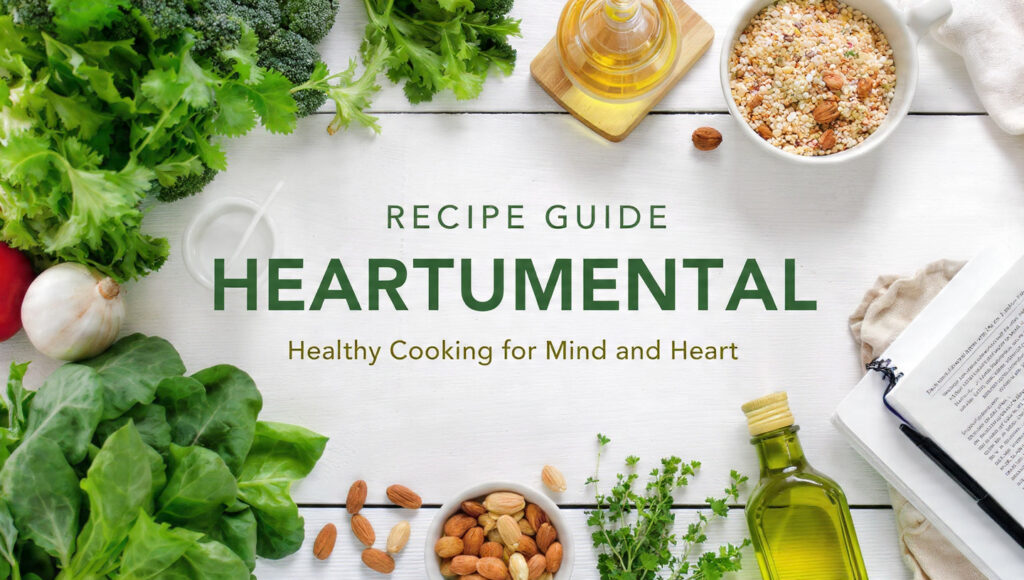

Food has always been more than fuel. The right meal can comfort you after a long day, bring people together, and even support long term health. This recipe guide heartumental is built around that simple truth. It blends heart healthy cooking, mindful eating, and balanced nutrition into one practical, easy to follow resource.
Instead of chasing trends or extreme diets, this guide focuses on whole ingredients, smart cooking techniques, and flavor first thinking. Whether you want better heart health, more energy, or just reliable healthy recipes that actually taste good, you will find a clear path here. Let’s break it down step by step and turn everyday meals into something meaningful.
Understanding the Heartumental Cooking Philosophy
The core idea behind recipe guide heartumental is simple. Cook with intention. Eat with awareness. Choose ingredients that support cardiovascular health while still enjoying satisfying flavors. It is not about restriction. It is about balance and quality.
Heartumental cooking focuses on nutrient dense ingredients like leafy greens, whole grains, legumes, nuts, seeds, lean proteins, and healthy fats. These foods are known to support heart health, reduce inflammation, and provide steady energy. At the same time, this approach encourages mindful cooking. Paying attention to preparation methods, portion sizes, and seasoning choices makes a noticeable difference.
Another important part of the philosophy is sustainability. That means selecting seasonal produce, reducing food waste, and building meals around simple pantry staples. This approach makes healthy cooking practical for everyday life rather than something complicated or expensive.
The Science Behind Heart Healthy Recipes
Heart health is influenced by several key factors including cholesterol levels, blood pressure, blood sugar balance, and inflammation. A well structured heartumental meal plan naturally supports all of these areas through smart ingredient choices.
Diets rich in fiber from whole grains, vegetables, and legumes can help lower LDL cholesterol. Healthy fats from sources like olive oil, avocados, and nuts support HDL cholesterol and reduce inflammation. Reducing excessive sodium while increasing potassium rich foods such as spinach and beans can help manage blood pressure.
Here is a simple breakdown of important nutrients for heart health:
| Nutrient | Key Benefit | Common Food Sources |
|---|---|---|
| Fiber | Supports cholesterol control | Oats, lentils, vegetables |
| Omega 3 fats | Reduces inflammation | Flaxseeds, walnuts, fatty fish |
| Potassium | Helps manage blood pressure | Bananas, beans, leafy greens |
| Antioxidants | Protects cells from damage | Berries, tomatoes, dark greens |
Understanding this foundation makes it easier to build recipes that nourish both body and mind.
Essential Ingredients in a Heartumental Kitchen
A well stocked kitchen makes healthy cooking effortless. The recipe guide heartumental encourages keeping versatile ingredients on hand that can be mixed and matched across meals.
Whole grains like quinoa, brown rice, and oats form the base of many balanced dishes. Legumes such as chickpeas, lentils, and black beans provide plant based protein and fiber. Fresh vegetables and fruits bring antioxidants, vitamins, and color to the plate.
Healthy fats are essential as well. Extra virgin olive oil, nuts, seeds, and avocados add richness without relying on saturated fats. Lean protein options such as skinless poultry, tofu, and fish round out meals while keeping them light.
When these ingredients become staples in your pantry, preparing nutritious meals becomes faster and more intuitive.
Smart Cooking Techniques for Better Heart Health
How you cook matters just as much as what you cook. Heartumental cooking prioritizes methods that preserve nutrients and reduce unnecessary fats.
Steaming vegetables keeps vitamins intact. Baking and roasting bring out natural sweetness without heavy sauces. Grilling and air frying can create crisp textures with less oil than deep frying. Slow cooking is ideal for soups and stews made from beans and vegetables.
Reducing sodium is another key technique. Instead of relying on salt, use herbs, spices, garlic, lemon juice, and vinegar to enhance flavor. These simple swaps improve both taste and nutrition at the same time.
Over time, these methods become second nature and help build consistent healthy eating habits.
Building a Balanced Heartumental Meal Plan
A heartumental meal plan focuses on variety and balance. Each meal should ideally include a source of fiber, protein, and healthy fat. This combination helps maintain steady blood sugar and long lasting energy.
For breakfast, consider oatmeal topped with berries and nuts. Lunch might include a quinoa salad with roasted vegetables and chickpeas. Dinner could feature grilled salmon, steamed greens, and brown rice. Snacks such as yogurt with seeds or sliced apples with almond butter fit well into the plan.
Here is a sample daily structure:
| Meal | Example Dish | Nutritional Focus |
|---|---|---|
| Breakfast | Oats with berries and walnuts | Fiber and antioxidants |
| Lunch | Lentil vegetable bowl | Plant protein and minerals |
| Dinner | Grilled fish with greens | Omega 3 and leafy nutrients |
| Snack | Greek yogurt with seeds | Protein and healthy fats |
This structure keeps meals satisfying without feeling heavy.
Heartumental Breakfast Recipes That Energize
Breakfast sets the tone for the entire day. A heartumental breakfast avoids excess sugar and refined carbs, focusing instead on steady energy.
Overnight oats are a popular option. Combine rolled oats with low fat milk or plant milk, chia seeds, and fresh fruit. Let it sit overnight and you have a fiber rich meal ready in the morning. Vegetable omelets made with minimal oil and packed with spinach, tomatoes, and onions are another strong choice.
Smoothies can also fit into the plan when built correctly. Blend leafy greens, berries, flaxseeds, and a protein source like yogurt. This creates a balanced meal rather than just a sweet drink.
Consistent healthy breakfasts reduce cravings later in the day and support metabolic health.
Nourishing Heartumental Lunch Ideas
Lunch should refuel you without causing an afternoon slump. Grain bowls are a cornerstone of the recipe guide heartumental approach.
Start with a base like brown rice or farro. Add roasted vegetables, a lean protein source, and a simple olive oil based dressing. This formula creates endless variations. Soups made from lentils, beans, and vegetables are also excellent options, especially when prepared in batches.
Salads can be filling when built properly. Include leafy greens, nuts, seeds, and beans. Avoid heavy creamy dressings and instead use lemon juice, olive oil, and herbs.
A well planned lunch supports productivity and balanced energy levels.
Heart Friendly Dinner Recipes for the Family
Dinner often becomes the largest meal of the day. Heartumental dinners focus on comfort without excess saturated fat or sodium.
Baked salmon with garlic and herbs paired with steamed broccoli and quinoa is a strong example. Stir fried tofu with mixed vegetables and a light soy alternative can also be satisfying. Whole grain pasta with tomato based sauces, vegetables, and lean protein offers comfort without heaviness.
Portion awareness is important at dinner. Filling half the plate with vegetables, one quarter with whole grains, and one quarter with protein keeps meals balanced.
Cooking together as a family also encourages healthier choices and mindful eating habits.
Healthy Snacks and Desserts the Heartumental Way
Snacking is not the problem. Poor snack choices are. The recipe guide heartumental approach encourages nutrient rich options.
Fresh fruit with nuts provides natural sweetness and healthy fats. Hummus with sliced vegetables adds fiber and protein. Yogurt topped with seeds offers a satisfying texture and nutritional boost.
For dessert, dark chocolate in moderation can fit into a heart healthy plan. Baked apples with cinnamon or homemade chia pudding are lighter alternatives to processed sweets.
Mindful snacking helps maintain stable blood sugar and reduces overeating at meals.
Managing Sodium and Sugar Intake
Excess sodium and added sugars are major concerns for heart health. Reading labels is an important habit. Many packaged foods contain hidden sodium even if they do not taste salty.
Cooking from scratch gives you full control over ingredients. Choose unsweetened beverages, reduce processed snacks, and limit sugary sauces. Gradually adjusting your taste preferences makes lower salt and lower sugar meals feel normal.
Simple swaps, such as using fresh herbs instead of salty seasoning blends, create a meaningful long term impact.
Incorporating Plant Based Recipes
Plant based eating plays a major role in heartumental cooking. You do not need to be fully vegetarian to benefit.
Replacing some meat based meals with lentil stews, bean chili, or vegetable curries increases fiber intake and reduces saturated fat. Tofu and tempeh are versatile protein options that absorb flavors well.
Plant focused meals are often more affordable and environmentally friendly. They also encourage creative cooking with spices and seasonal produce.
Portion Control and Mindful Eating
Even healthy foods can be overeaten. Portion awareness ensures balance without strict calorie counting.
Using smaller plates, slowing down during meals, and paying attention to hunger cues are effective strategies. Avoid distractions like screens while eating. This improves satisfaction and digestion.
Mindful eating connects you to your food. It turns meals into intentional moments rather than rushed tasks.
Grocery Shopping for a Heartumental Lifestyle
Smart grocery shopping sets the stage for success. Begin in the produce section and build your cart around vegetables and fruits. Move next to whole grains, legumes, and lean proteins.
Avoid shopping while hungry. That simple habit reduces impulse purchases. Reading ingredient lists helps identify hidden sugars and sodium.
Planning meals before shopping prevents food waste and keeps your budget under control.
Meal Prep Strategies for Busy Schedules
Consistency is easier when meals are prepared in advance. Batch cooking grains, roasting vegetables, and preparing protein sources at the start of the week saves time.
Store portions in clear containers so healthy options are visible and accessible. Pre washing and chopping vegetables encourages quick cooking.
Even dedicating one hour a week to preparation can transform eating habits and reduce reliance on processed convenience foods.
Common Mistakes to Avoid in Heart Healthy Cooking
One common mistake is assuming all low fat products are healthy. Many contain added sugars. Another is ignoring portion size while focusing only on ingredients.
Relying too heavily on packaged health foods can also increase sodium intake. Instead, focus on whole foods and simple recipes.
Finally, avoid extreme restrictions. A balanced approach is more sustainable and enjoyable long term.
Creating a Long Term Heartumental Lifestyle
The recipe guide heartumental is not a temporary diet. It is a framework for sustainable healthy living. Small consistent changes have more impact than drastic short term plans.
Start with one improvement, such as cooking dinner at home three times a week. Gradually expand from there. Involve family members and share recipes to build support.
Over time, heart healthy habits become routine. Food transforms from a source of stress into a source of nourishment and connection.
Conclusion
The recipe guide heartumental combines nutrition science, practical cooking strategies, and mindful eating principles into one balanced approach. By focusing on whole foods, smart preparation techniques, and portion awareness, you can support cardiovascular health while enjoying flavorful meals. The goal is not perfection but steady progress. With the right ingredients and mindset, every meal becomes an opportunity to care for your heart and overall wellbeing.
FAQs
What does recipe guide heartumental mean?
It refers to a heart focused and mindful approach to cooking that emphasizes balanced nutrition, whole ingredients, and sustainable habits.
Is this approach suitable for weight loss?
Yes, because it promotes portion control, high fiber foods, and balanced meals that support steady energy and healthy metabolism.
Can I follow heartumental recipes on a budget?
Absolutely. Many staples such as beans, lentils, oats, and seasonal vegetables are affordable and nutrient dense.
Do I need special ingredients?
No. Most recipes rely on common pantry staples and fresh produce available in regular grocery stores.
How quickly will I see health benefits?
Results vary, but consistent healthy eating habits can improve energy levels and overall wellness within weeks.
Keep up with current news and comprehensive coverage related to Eduardo Hagn.